

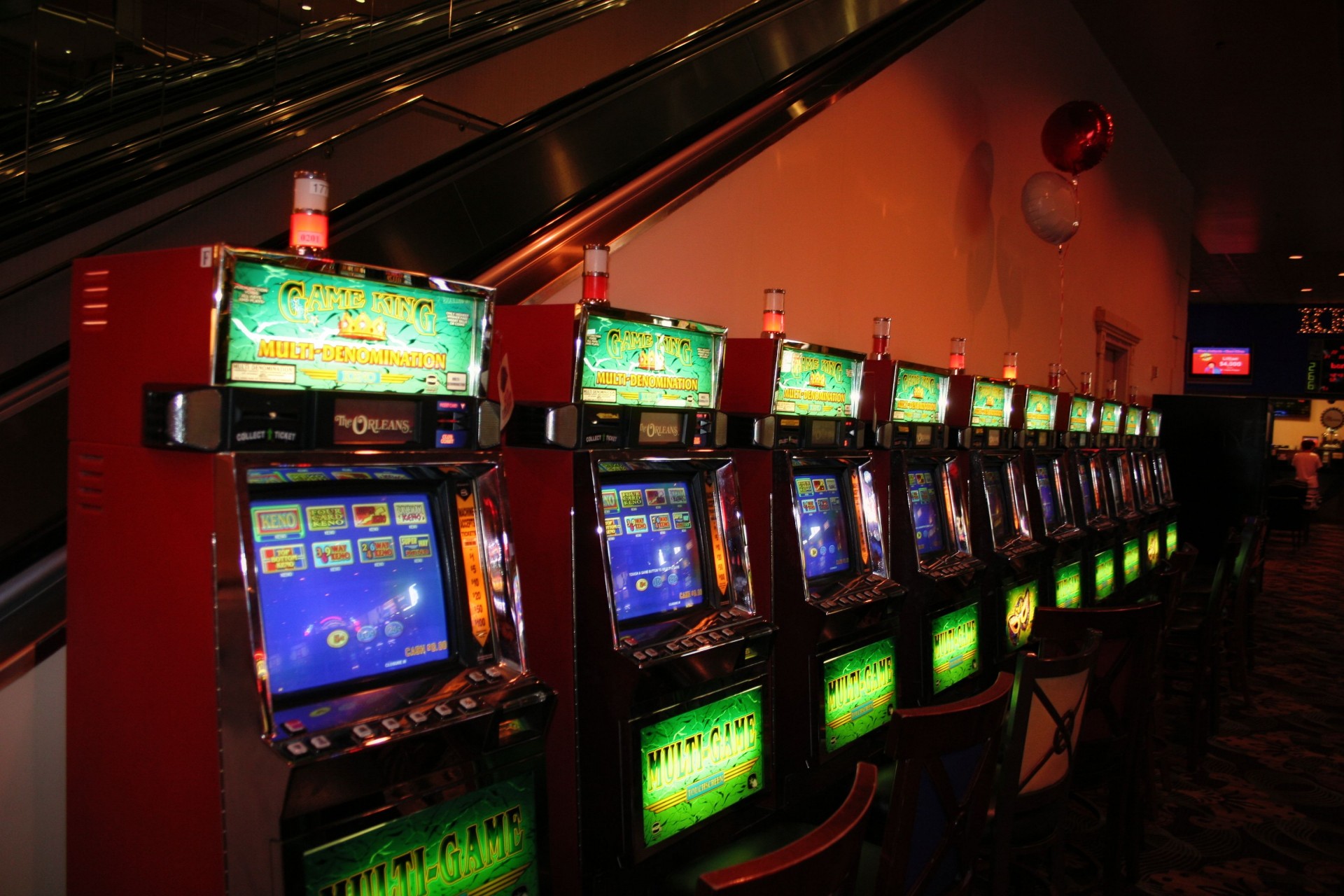
Wyns Casino tournament competition vibes under the lights
Table of contents
When we tested the tournament side of wyns casino, the first thing we noticed was not a single game, but the sense of movement around the lobby. Leaderboard numbers change, prize pools sit beside countdown clocks, and a familiar slot can suddenly feel like part of a short event rather than a quiet standalone session. It is a small change in framing, yet it alters how a session feels.
We approached it as a team, comparing the visible terms, the pace of score updates, and the sort of player each format might actually suit. The overall mood was bright and competitive without needing to be too complicated. Still, tournaments are not automatically better value than regular play. They add a layer of rivalry, sometimes a fun one, but they also make it easier to keep chasing a position that has already moved out of reach.
Tournament formats we found most useful to compare
Not every tournament asks players to do the same thing. Some rank a single large win, some reward accumulated points, and others are based on missions or a specified number of qualifying rounds. We found that reading the scoring method before opening a slot matters more than the promotional banner. A generous prize pool can look impressive, but its practical value depends on how many people are chasing it and how scores are calculated.
Big-win races are perhaps the most visually exciting. A player can appear near the bottom and jump dramatically after one strong result. In our check, that made the board enjoyable to watch, although it also made planning nearly impossible. These events suit people who see the entry as entertainment first and who are comfortable with the fact that a leading spot can change in seconds.
Points-based contests felt more transparent to us, especially when the terms clearly explained what generated points. They can be better for players who prefer a measured session and want to observe gradual progress. That said, a points race is not necessarily gentle on a budget. If the board rewards volume, the temptation is to play longer simply because the next place seems close.
What the leaderboard tells us, and what it does not
A leaderboard can look very clear at first glance, with rank, username, score, and prize amount arranged in a neat column. We liked seeing live movement because it gives the event an actual competition vibe. Under the bright lobby graphics, it can resemble a tiny digital arena. But a rank alone does not explain the cost of getting there, nor does it guarantee that continuing is a sensible decision.
Our impression was that the more open the rules page is, the easier it is to enjoy the competition calmly. We would rather see a plainly stated qualifying-game list and an obvious scoring formula than a flashy promotion with several unclear conditions. There is nothing dramatic about checking terms, admittedly, but it is the part that prevents most confusion later.
Who the different competition styles may suit
We did not come away thinking that there is one ideal tournament player. The format matters, as does temperament. Some people enjoy the rush of a late jump through the rankings. Others would probably find that same uncertainty irritating. A tournament can make sense as a small extra layer around games a player already enjoys, rather than as a reason to force interest in a slot that does not otherwise appeal.
- Short big-win races may suit players who enjoy quick sessions and accept wide swings in ranking.
- Points events can suit players who like visible progress and have a fixed amount of play already planned.
- Mission-style events may suit those who prefer goals and variety over watching a constantly changing top ten.
- Casual players may be happiest in free-entry or low-threshold events, where missing a prize does not feel like a major loss.
One slightly contradictory point came up during our comparison. A longer tournament seems more relaxed because there is less urgency, yet it can also create more chances to return repeatedly just to check a rank. Short formats compress the pressure, while long ones stretch it out. Neither is automatically preferable. It is worth choosing the structure that fits a player’s normal habits, not the one with the loudest countdown.
Our practical way to enter without losing the plot
For a team test, we found it useful to set the basic boundaries before participating. This did not remove the fun. If anything, it made the rising and falling places easier to watch, because we were not trying to react emotionally to every new score. Tournament play has a built-in nudge toward “one more try”, so a modest plan is not overly cautious, it is just practical.
- Read the event period, qualifying games, eligible stakes, and prize schedule before opting in.
- Decide on a session budget that would still feel acceptable if the leaderboard never moves.
- Choose a game because its pace and features suit the session, not only because it appears in the contest.
- Check the board occasionally rather than after every spin, which can make the experience feel less tense.
We also compared the difference between finishing near the prize line and finishing well below it. The visible gap can be deceptive. A player who is three places away may need only a small score increase, or may need a result that is statistically unrealistic in the remaining time. Looking at the score spacing, not merely the rank number, gave a more grounded picture.
- If the event becomes less enjoyable than the underlying game, step back.
- If a leaderboard position requires changing the original budget, the position is probably not worth chasing.
- If a prize is won, review any stated crediting or wagering conditions before making further plans.
Conclusion
Our conclusion is that Wyns Casino tournament competition works best as a social, time-limited extra around casino play, not as a guaranteed route to better results. The lights, moving ranks, and occasional late surge do create a lively atmosphere, and that is the charm of it. Points races may suit steady players, big-win contests may appeal to those who enjoy volatility, and mission formats offer a more structured alternative. We would keep the focus on the game, the rules, and a pre-set limit. The leaderboard should add interest, not take over the session.
FAQ
Do tournament leaderboards update instantly? Often they update live or close to live, though some events may have a short processing delay. The event terms should explain the expected timing.
Are all casino games included in a tournament? Usually not. Most events name eligible slots or a specific game group, so it is worth checking before placing a qualifying wager.
Can a low-ranked player still win something? That depends on the prize structure. Some tournaments pay a broad range of places, while others concentrate most rewards near the top of the board.
Is a tournament a reason to raise stakes? We would say no. A qualifying minimum may apply, but increasing a stake solely to chase rank can quickly make the session less controlled.