

 Debtors Management — Australia
FreeMyCloud provides Australian businesses with a dedicated, university-qualified graduate accountant who tracks every issued invoice, maintains your aged receivables report, and follows up overdue accounts on a systematic schedule — so outstanding balances are addressed before they become cash flow problems.

Invoices within agreed payment terms. Recorded and matched — no follow-up required yet.
First payment reminder sent. Most clients pay within this window with a prompt.
Second follow-up issued. Risk of non-payment begins to increase. Flagged in AR report.
Third follow-up. Escalation to business owner recommended. Recovery risk elevated.
Escalated to owner for decision — direct contact, payment plan, or debt collection referral.
"Australian businesses — from individual operators to publicly listed companies — deserve bookkeeping support that is qualified, reliable, and properly priced."
Julian Mahoney, Founder & Director, FreeMyCloud Book a Free ConsultationThe cause of most debtor problems is not that clients refuse to pay — it is that there is no consistent follow-up process in place. When invoices are not tracked and reminders are not sent on schedule, slow payers become chronic late payers by default.
Most businesses rely on the business owner remembering to chase invoices — which means follow-up is inconsistent, uncomfortable, and often delayed. Clients who are not reminded on a regular schedule quickly learn that late payment has no consequence, and behaviour adjusts accordingly.
Without a regular aged receivables report, overdue balances accumulate quietly. By the time the total becomes visible — usually when cash flow tightens — some invoices may already be many months old and significantly harder to recover. Early visibility is what makes debtors manageable.
When payments come in without clear references, matching them to the correct invoice requires active reconciliation. Unmatched payments leave invoices appearing outstanding in the system when they have actually been paid — creating inaccurate debtor balances and unnecessary follow-up.
A business can be generating strong revenue on paper while experiencing genuine cash shortages — because revenue is recorded when invoiced but cash only arrives when the client pays. When clients pay slowly or late, the gap between profit and cash position widens until it causes operational problems.
Some invoices are not paid because the client disputes the amount or the work. Without active monitoring, disputes can sit unresolved for weeks or months — making them significantly harder to address and recover. Early identification of non-payment allows disputes to be resolved while the work is still recent.
When follow-up is done informally — a phone call here, an email there — there is no reliable record of what was communicated and when. This matters when a debt escalates to a formal dispute or collection process. Documented, consistent follow-up in your accounting software protects your position.
Your bookkeeper tracks every invoice, reconciles every payment, produces your aged receivables report, and follows up overdue accounts on a scheduled cycle — without you needing to chase your own clients.
Every issued invoice recorded and tracked in your accounting software — matched against payments as they are received, so your outstanding balance is accurate at all times.
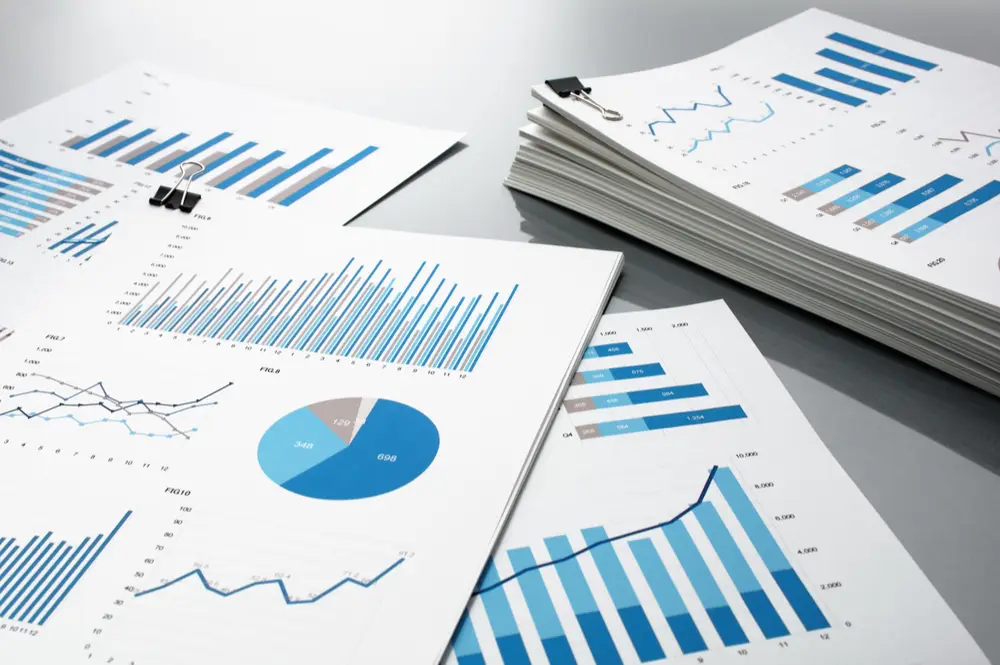
Monthly aged receivables report showing all outstanding invoices by client and age bucket — current, 30, 60, 90+ days — so overdue balances are always visible and prioritised.
Payment reminders sent on your behalf at agreed intervals — 7, 14, and 30 days overdue — using approved email templates, with all activity recorded in your accounting software.
All payments received matched to the correct invoice and cleared in the accounting software — eliminating the phantom outstanding balances that arise when payments and invoices are not actively reconciled.
Accounts beyond the agreed follow-up threshold flagged to you for decision — direct contact, payment plan negotiation, or referral to a debt collection service. The decision is always yours.
Your accounts receivable position kept current throughout the month — so you always know what cash is coming in and when, not just what is on paper as revenue.
FreeMyCloud provides debtors management for Australian businesses of every size — from individual operators through to ASX-listed companies with large debtor ledgers and complex follow-up requirements.
Book a free consultationYour bookkeeper follows an agreed schedule — so every overdue invoice is followed up at the right time, every time, without you being involved until escalation is genuinely required.
Invoice recorded in your accounting software with the correct due date, client, and amount. Payment terms clock starts.
Polite payment reminder sent on your behalf. Most clients pay within 7 days of a prompt. All activity logged in the accounting software.
Second follow-up with a firmer tone. Invoice and overdue notice included. Flagged in aged receivables report for your awareness.
Flagged to you for decision — direct contact, payment arrangement, or referral to a debt collection service. The call is always yours to make.

FreeMyCloud bookkeepers are university-qualified graduate accountants with Australian experience, pre-trained in Australian bookkeeping and accounting requirements before they begin with your business. They work in Xero, MYOB, or QuickBooks — matching payments daily, reconciling your accounts receivable weekly, and sending follow-up reminders on schedule.
One dedicated bookkeeper is assigned to your business — the same person every week, building knowledge of your clients, your payment terms, and your debtor history over time. Follow-up is consistent and professional — done in your name, using your templates, with all activity documented.
A dedicated, university-qualified graduate accountant managing your debtor ledger — at about 50% less than a local bookkeeper hire. No super, no leave entitlements, no recruitment overhead.
Get in touch
Tell us a little about your business and what you need looked after. We reply within one business day, Australia-wide, and fifteen minutes on the phone is enough to say whether a dedicated bookkeeper suits you and what it would cost.
Prefer to talk? 1300 66 88 14
Four steps from first contact to your debtor ledger being actively managed every week.
15 minutes — tell us about your business, your invoicing process, your payment terms, and your current debtor position.
We match you with a graduate accountant with Australian experience and the right software skills for your business.
Your bookkeeper reviews your outstanding invoices, sets up aged receivables reporting, and agrees the follow-up schedule and templates with you.
Invoices tracked, payments matched, reminders sent, AR report produced — every week, without you chasing.
I hold a university accounting degree and have Australian experience working in Xero and MYOB. I track every invoice you issue, match incoming payments against outstanding balances daily, and send payment reminders on your behalf at agreed intervals — 7, 14, and 30 days overdue — using email templates you approve. All follow-up is documented in your accounting software so there is a clear record of every communication.
I produce a monthly aged receivables report showing every outstanding balance by client and age bucket — current, 30, 60, 90+ days — so overdue balances are always visible and addressed before they accumulate into a cash flow problem. Accounts beyond the agreed follow-up threshold are flagged to you for escalation; the decision on how to proceed is always yours.
FreeMyCloud provides debtors management for Australian businesses of every size — from individual operators through to ASX-listed companies with large debtor ledgers and complex accounts receivable requirements.
FreeMyCloud provides debtors management for Australian businesses of every size — from individual operators and small businesses through to ASX-listed companies with large debtor ledgers and complex accounts receivable requirements, across every industry and state and territory in Australia.
Debtors management is the process of tracking every issued invoice, matching payments against outstanding balances, maintaining an accurate aged receivables position, and following up overdue accounts on a systematic schedule. When this is handled consistently by a dedicated bookkeeper — rather than reactively by a business owner when cash flow tightens — overdue balances are smaller, recovery rates are higher, and cash flow is more predictable.
FreeMyCloud debtors management covers invoice tracking and payment reconciliation, aged receivables reporting, systematic debtor follow-up at agreed intervals using your approved templates, escalation flagging for high-risk accounts, and monthly accounts receivable reporting. Our bookkeepers work in Xero, MYOB, or QuickBooks and handle all follow-up activity professionally and consistently, with every communication documented.
FreeMyCloud provides debtors management in Sydney, Melbourne, Brisbane, Perth, Adelaide, Canberra, Gold Coast, Newcastle, Geelong, Darwin, Hobart, and all regional areas of Australia.
What does debtors management involve?
Debtors management involves tracking all issued invoices, matching payments as they are received, producing aged receivables reports showing outstanding balances by age, and following up overdue accounts on a systematic schedule. FreeMyCloud bookkeepers handle all of this as part of the ongoing bookkeeping service.
How does a bookkeeper follow up overdue invoices?
FreeMyCloud bookkeepers send payment reminders on your behalf at agreed intervals — typically at 7, 14, and 30 days overdue — using email templates you approve in advance. All follow-up activity is recorded in your accounting software. Accounts beyond the agreed threshold are flagged to you for decision on escalation.
What is an aged receivables report?
An aged receivables report shows all outstanding invoices grouped by how long they have been overdue — current, 1–30 days, 31–60 days, 61–90 days, and 90+ days. It is the primary tool for managing debtor risk. FreeMyCloud bookkeepers produce this monthly and can provide it more frequently on request.
What is the difference between debtors management and debt collection?
Debtors management is internal — tracking invoices, sending reminders, maintaining AR records. Debt collection involves third-party agencies pursuing unpaid debts after internal follow-up is exhausted. FreeMyCloud handles the debtors management layer; for accounts that remain unpaid beyond your agreed threshold, we flag these for your decision on whether to engage a collection service.
Can the bookkeeper send follow-up emails in my business name?
Yes. FreeMyCloud bookkeepers send payment reminders on your behalf using email templates you approve. The communication comes from your business — professionally worded and consistent in tone — with all activity documented in your accounting software.
How quickly can debtors management start?
Most FreeMyCloud clients are operational within 3 business days of an initial consultation. Your bookkeeper reviews your outstanding invoices, sets up aged receivables reporting, and begins the follow-up schedule immediately.
Is there a lock-in contract?
No. FreeMyCloud operates without lock-in contracts or minimum terms. You are free to cancel at any time. There are also no setup fees.
Book a free, no-obligation consultation. Tell us about your invoicing process and current debtor position — and we will have a bookkeeper actively managing your debtor ledger within 3 business days.